Call This Thursday to Get $75 OFF

Call ThisThursday to Get $75 OFF (Service of $250 or more)

24 Hour Emergency Plumbers in Pittsburgh and nearby cities.

4.7 / 5 Ratings based on 1273 reviews

Your Neighborhood Plumbers

image

May 31,2024

What to Do When Your Water Heater Starts Leaking

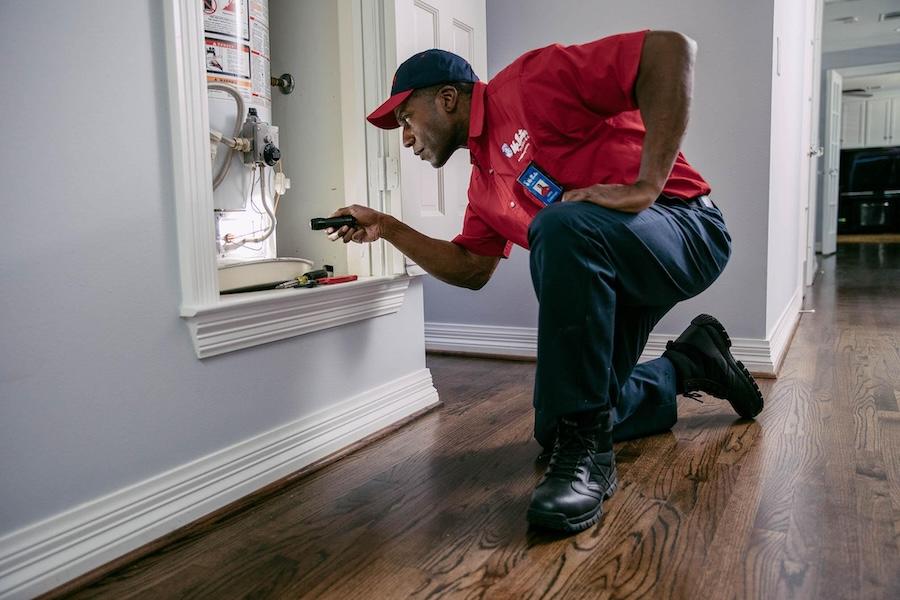
Leaks in water heaters can be an enormous pain. Being informed about what signs to watch out for and the best strategies for water heater repair will ease much of your anxiety and save countless headaches in the process. Here, Mr. Rooter Plumbing explores all aspects of leaking water heaters—signs, causes, and potential solutions—so that when they occur, prompt action can be taken.

Signs Your Water Heater Might Be Leaky

One clear indicator that your water heater might be leaking is water pooling around its base—even small puddles should be taken as an immediate warning sign and checked out right away.

  • Rusty Water: If your faucets produce discolored or rust-colored water, this could indicate your water heater tank has corrosion within and leakage has taken place causing leakage issues.
  • Strange Noises From Your Water Heater: Banging, rumbling, or popping sounds coming from your water heater could indicate sediment build-up, which, if left untreated, could result in leakage.
  • Low Hot Water Supply: If your showers have become shorter due to running out of hot water quickly, this could indicate an issue within your plumbing system. A leak could exist somewhere and needs to be investigated immediately in order to restore service as efficiently as possible.

Common Reasons for Water Heater Leaks

  • Aging: Most water heaters last between 8 and 12 years before beginning to develop leakage issues due to wear and tear. Over time, parts wear down and start leaking water out through any number of outlets, leading to larger-than-needful costs for replacement and/or repairs.
  • Loose Drain Valve: Over time, the drain valve at the bottom of your tank may become loose, allowing water to seep through.
  • High Water Pressure: Excessive water pressure can strain a water heater and result in leakage, making it essential that it falls within its recommended range.
  • Sediment Build-Up: Over time, minerals found in water may settle at the bottom of a tank's storage compartments and cause sediment build-up at its core, potentially cracking or leaking its walls and ultimately leading to cracks or leaks in its structure.

What to Do if Your Water Heater Is Leaking

  • Turn Off Power (Electric or Gas): For electric water heaters, switch off their circuit breaker; for gas water heaters turn the gas valve "off". Doing this may prevent accidents and further damage.
  • Shut Off Water Supply: Locate and turn off the shut-off valve on the water heater to prevent more from seeping into your home. Doing this will stop leakages from continuing.
  • Call a Professional Plumber: As soon as the issue arises, consult a plumbing service for advice and repairs. A skilled professional will evaluate the situation, offer repair solutions, and suggest the most beneficial course of action.
  • Drain Your Tank: If desired, to prevent water damage to the heater tank and protect its contents from overflow, simply connect a hose to its drain valve and direct its output in an appropriate location.

Preventative Measures for Water Heater Maintenance

  • Regular Inspections: Schedule regular plumbing inspections to identify problems early. A competent plumber can look for signs of wear and tear on the heater itself and perform repairs before they become more serious issues.
  • Flush Your Tank Annually: Flushing your water heater on an annual basis can remove sediment build-up and extend its lifespan. If this task seems daunting, an experienced plumbing repair service may assist.
  • Verify Anode Rod: To keep rust at bay in your water heater tank, inspecting and replacing an anode rod every few years is recommended to protect it against further corrosion. If necessary.
  • Install a Water Softener: For those living in areas with hard water, installing a water softener may reduce sediment build-up in their heater and thus, decrease leak risk.

When Should a Water Heater Replacement Happen

Unfortunately, sometimes even with our best efforts a water heater becomes inoperable and needs replacement. Here are some indicators it might be time for installation:

  • Frequent Repairs: If your water heater requires frequent repairs, it may be more cost-effective to invest in replacing it than continue calling on plumbers for service.
  • Age of Water Heater: If your current water heater is over 10 years old and having issues, then it might be time for an upgrade.
  • Rust and Corrosion: Rust or corrosion on any component of your water heater indicates that new installation may be required and should serve as an early warning sign for replacement installation.
  • Decreased Efficiency: If your energy bills are increasing and your water heater cannot keep up with demand, upgrading to an energy-saving model might save money in the long run.

Selecting an Appropriate Water Heater

When preparing for water heater installation, several key considerations should be kept in mind when making your selection:

  • Size: Selecting an appropriately sized water heater will ensure maximum energy efficiency while mitigating costs. Oversized or undersized units could lead to inefficiency or increased costs, respectively.
  • Type of Water Heater: There are different kinds of water heaters on the market today - tankless models, solar models, and traditional tank heaters all provide distinct advantages and costs associated with each.
  • Energy Efficiency: Look for water heaters with high Energy Factor ratings to save on long-term energy costs and cut upfront costs. Though more costly initially, investing in one will have lower operational expenses over time.
  • Professional Installation: Always entrust the installation of your water heater to an appropriate plumbing service, to ensure its safe and proper function.

Mr. Rooter Plumbing

Dealing with a leaky water heater may seem intimidating, but by taking the appropriate steps you can successfully manage this situation. Be on the lookout for signs of leaks and understand their root causes to know when one occurs. Regular maintenance and timely repairs will extend its life and reduce unexpected breakdowns. When selecting your new unit have it professionally installed by professional plumbers from Mr. Rooter Plumbing to ensure optimal performance. Remember proactive care can go a long way toward keeping hot water flowing smoothly!

Recent News

23

July

The Rattling Pipe Syndrome: Why Your House Sounds Like It’s Shaking

No plumbing problem is quite as frustrating as rattling sounds coming from pipes, and you…

The Rattling Pipe Syndrome: Why Your House Sounds Like It’s Shaking
18

July

What is Directional Boring? The Underground Plumbing Magic You Can't See

The days of tearing up your lawn to repair a damaged underground pipe are gone.…

What is Directional Boring? The Underground Plumbing Magic You Can't See
09

July

The Thunderstorm Nightmare: Why A Backup Battery Is Just as Important as The Sump Pump Itself

If you live in an area prone to flooding or one that has a high…

The Thunderstorm Nightmare: Why A Backup Battery Is Just as Important as The Sump Pump Itself
30

June

The Quiet Crisis: How to Catch a Broken Pipe Before It Ruins Your Ceiling

The water pipes running through your ceiling are built with durability in mind and can…

The Quiet Crisis: How to Catch a Broken Pipe Before It Ruins Your Ceiling
23

June

Protecting Your Bathroom With Routine Toilet Inspections

In any home, keeping the bathroom in good working order is important. One often overlooked…

Protecting Your Bathroom With Routine Toilet Inspections
16

June

Water Leak Detection and the Importance of Acting Quickly

Home maintenance has a lot of moving parts, from regular cleaning to scheduled inspections. One…

Water Leak Detection and the Importance of Acting Quickly
12

June

Tankless Water Heater Installation vs. Traditional Storage Tanks

There are two main options when it comes to choosing a water heater: tankless water…

Tankless Water Heater Installation vs. Traditional Storage Tanks
02

June

Protecting Water Lines From Seasonal Temperature Changes

Seasonal temperature changes are a reality of life regardless of where you live. Cold weather…

Protecting Water Lines From Seasonal Temperature Changes
26

May

Why Fast Sewer Repair Is Important for Home Safety and Sanitation

Sewer line damage is a common plumbing problem, especially in older homes with aging infrastructure.…

Why Fast Sewer Repair Is Important for Home Safety and Sanitation
18

May

How Corroded Pipes Affect Your Entire Home

Corrosion is one of your home’s worst enemies. It is highly destructive and can cause…

How Corroded Pipes Affect Your Entire Home